
Crate Training Your Dog for Travel: A Step-by-Step Guide to Stress-Free Relocation
 Setting Your Canine Companion Up for a Safe and Comfortable Journey
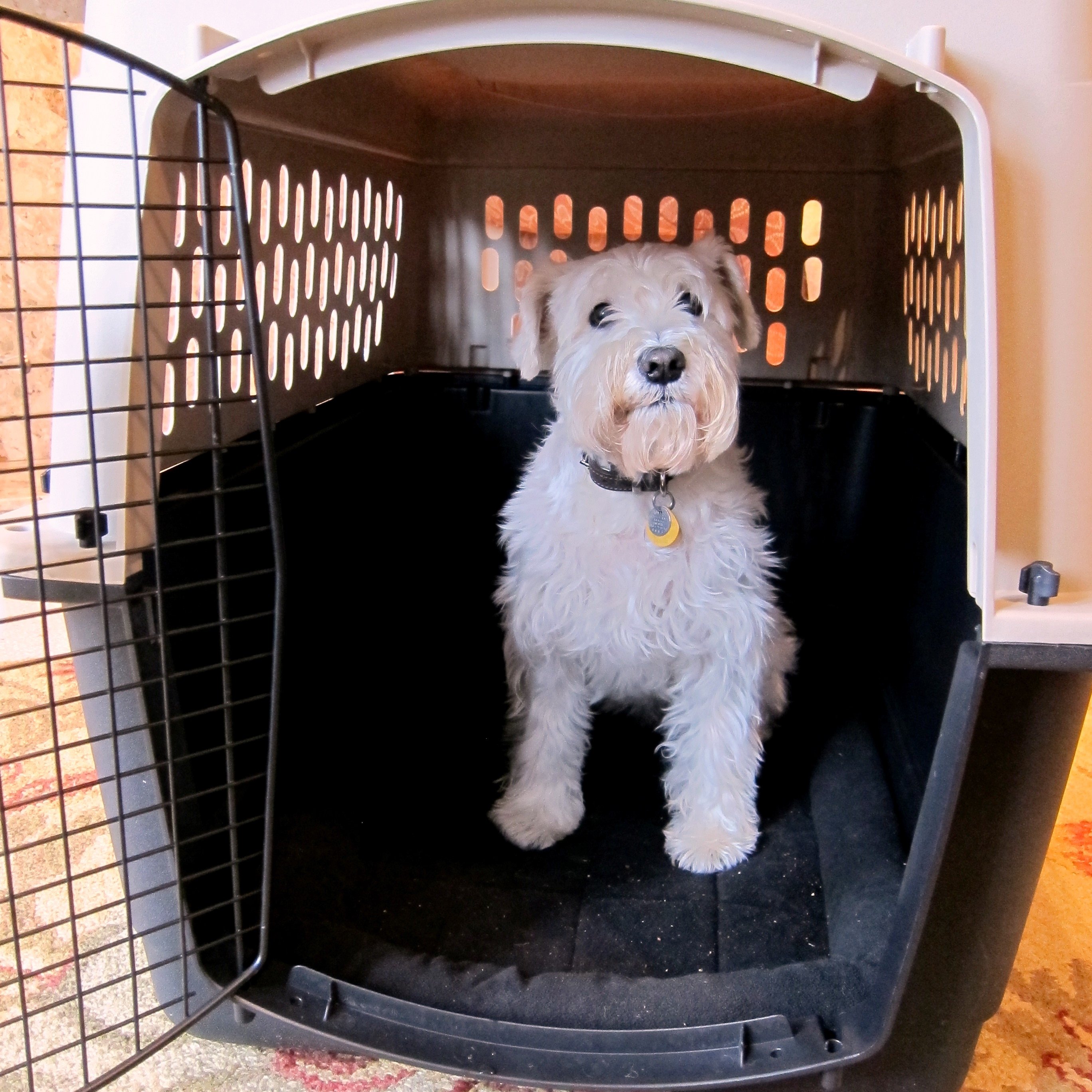
Crate training is a critical part of successful pet relocation. When your dog is comfortable and confident in their travel crate, it can significantly ease the anxiety associated with long-distance travel, both for your pet and you. This guide offers practical tips for crate training your dog and ensuring a smooth and stress-free move.
Taking a few training steps before your day of departure can alleviate much of the potential stress surrounding cargo pet travel. Here are our tips for helping your dog acclimate to the travel kennel before your relocation.
*(Have a cat? Check out our cat crate training tips.)
Begin Training Early
As soon as you know you're moving, purchase your dog's travel crate. Measure your dog accurately to acquire the correct airline-approved crate size. Giving your dog several weeks to acclimate to the crate can contribute to a low-stress move.
Gradual Introduction to the Crate
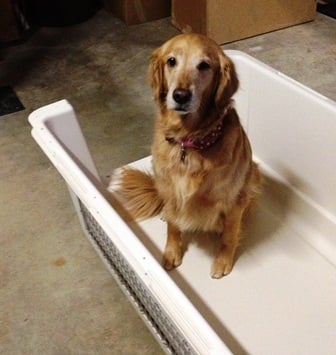
For a dog unfamiliar with crates, start by placing only the bottom portion of the crate in a common area of your home. Gradually add the top and the door as your dog becomes more comfortable.
Make the Crate a Positive Space
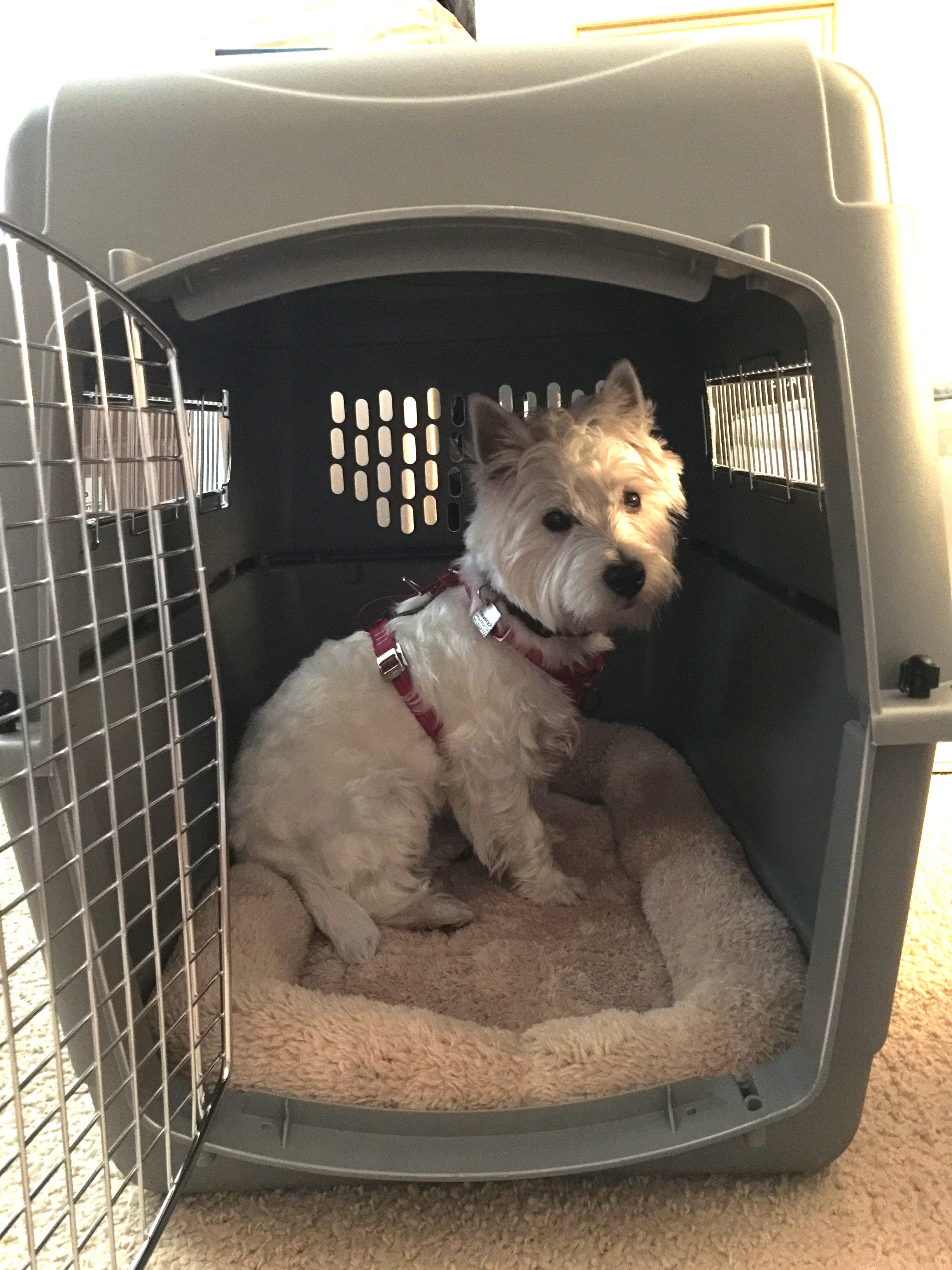
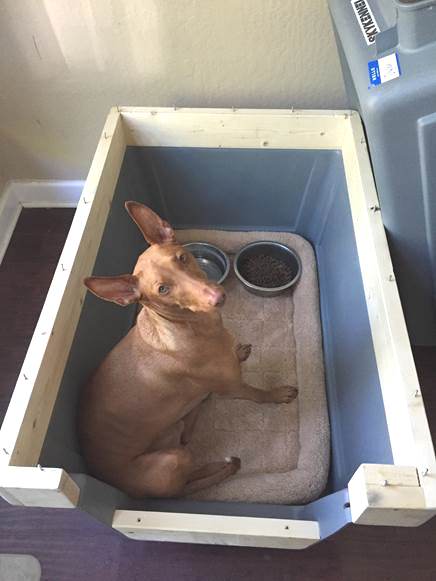
Encourage your dog to explore the crate by placing their favorite toys, treats, and meals inside. With time, your pup may naturally nap and play in the crate. (These tactics even work for cats!)
Be Patient and Consistent
Crate training takes time, so avoid forcing or rushing the process. Be patient, and allow your dog to get accustomed to the crate at their own pace.
Practice with Closed-Door Sessions
Once your dog is comfortable with the crate, practice short sessions with the door closed, starting with a few minutes and gradually increasing. Consider taking short car rides with your dog in the crate.
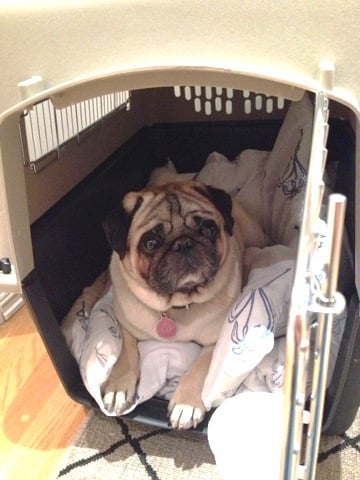
Offer Positive Reinforcement
Reward your dog with treats, verbal praise, and affection for positive behavior related to the crate. Consistent positive reinforcement is key to successful crate training.
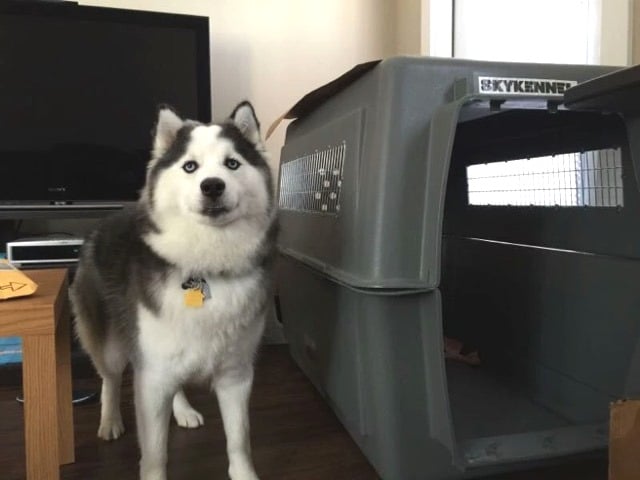
Age Is Just a Number
It's never too late to crate-train your dog. Older dogs can be successfully crate-trained with patience and persistence.
Need help planning your dog's safe relocation? View our service packages and pricing to get started >