
Transporting a pet to Singapore is a complex process that demands significant time and preparation. It can be overwhelming for pet owners to navigate the requirements and regulations involved in the process. That's why our team of experts is here to provide comprehensive guidance, support, and coordination of your pet's entire move.
Need Our Support?
What to Know Before Transporting Dogs and Cats to Singapore
-
Microchip and Vaccinations
Make sure your pet meets these basic requirements so you can begin the import process.
-
Banned Breeds and Dog Licenses
Singapore has breed restrictions in place. Make sure your pet is allowed to be brought into Singapore
-
Veterinary Credentials
Any veterinarian may administer the rabies vaccines, but the titer blood draw must be performed by a USDA accredited veterinarian.
-
Blood Tests and Other Treatments
The three to four month timeline for moving a pet to Singapore begins with the first rabies vaccine.
-
Import Documentation
Once your pet's blood test is completed, the documentation process begins!
-
Quarantine
New Rules with At-Home Quarantine Option
Singapore Pet Import Requirements and Timeline

Microchip and Vaccinations
Time frame: at least 4 Months Before Departure
Successfully relocating pets to Singapore requires strict adherence to timelines and requirements. Here's a step-by-step overview:
- Step 1: Implant the microchip before administering the rabies vaccine.
- Step 2: Administer the first rabies vaccine and wait 30 days before drawing blood for the Rabies Titer Test.
- Step 3: Administer the second rabies vaccine after the Titer Test, ensuring all timing requirements are met for quarantine eligibility.
Timeline for Planning Your Pet's Move to Singapore
Start Early: The import process can take 4-6 months from start to finish. Here’s what to expect:
- 4-6 Months Before Departure: Begin planning, book initial vet visits, and secure quarantine space.
- 3-4 Months Before Departure: Complete necessary vaccinations and blood tests.
- 1 Month Before Departure: Apply for the import permit and finalize travel arrangements.
- 1 Week Before Departure: Obtain the health certificate from a USDA-accredited veterinarian and send it for endorsement.
Important Note: Allow extra time for unexpected delays and thoroughly check all paperwork to avoid complications.
How Pet Relocations Help with Vaccinations and Vet Records
- Managing Multiple Records: We coordinate all veterinary visits and ensure all vaccinations and tests meet Singapore’s strict import standards.
- Expert Guidance: If your veterinarian isn’t accredited, we’ll guide them through the process or recommend a certified vet to ensure compliance.
- Once your pet’s Rabies Titer Test results are in, our team will manage the next steps, including applying for the import permit, reserving quarantine space, and preparing final health certificates.
Final Veterinary Appointment
Time Frame: 2-7 Days Before Departure
- Schedule the final vet visit to complete the AVS Veterinary Certificate and administer last-minute treatments for internal and external parasites.
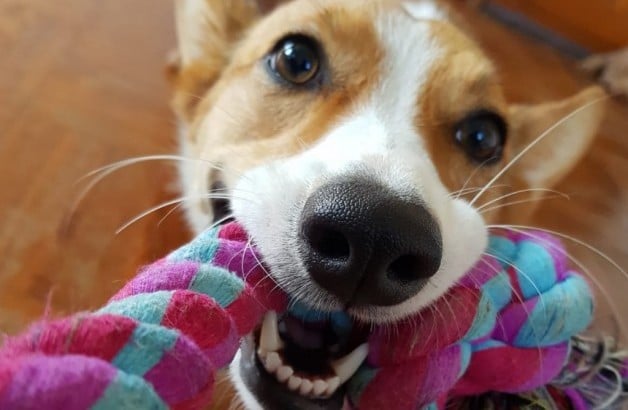
 Luna: US to Singapore
Banned Breeds and Dog Licenses
Certain breeds are banned or restricted in Singapore
Some breeds of pets are banned in Singapore. Others are restricted, and you must take extra steps to obtain dog licenses for them. Additionally, all dogs in Singapore must be licensed, and certain breeds require additional permits or insurance coverage.
Do you know if your pet is allowed in Singapore?
The following breeds are banned in Singapore.
- Pit Bull
- Akita
- Neapolitan Mastiff
- Tosa, Dogo Argentino
- Fila Brasileiro
- Boerboel
- Perro de Presa Canario
- Bengal Cats (allowed after 5th generation).
The following breeds are not banned but are restricted. They will require special actions on your part to obtain a dog license. Speak to your relocation coordinator to learn more.
- Bull Terrier
- Doberman Pinscher
- Rottweiler
- German Shepherd
- Mastiffs
In addition to breed restrictions, it is essential to note that Singapore also has strict regulations surrounding dog licenses. Owners of dogs are required to obtain a license from the Animal & Veterinary Service of Singapore. Failure to do so can result in fines and penalties.
- Under the Animals and Birds (Dog Licensing and Control) Rules, all dogs must be licensed. This is for traceability in the event of an outbreak of disease, such as rabies. In such instances, if required, the licensee is expected to produce the dog for examination.
- You can apply for a new dog license online via the Pet Animal Licensing System (PALS). Please note the information below before submitting your application.
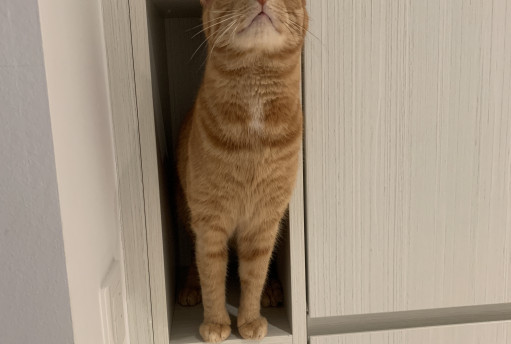 Momo: US to SIngapore
Veterinary Credentials
Time frame: before applying for your import permit
- To obtain an import permit for your pet to Singapore, it's critical that your veterinarian issues two signed rabies vaccine certificates, one for each vaccine, and submits a passing rabies titer test result. Your pet won't be allowed to enter the country without these requirements.
- It's important to note that your veterinarian must also be registered with the veterinary authority in your home country and have the appropriate accreditation to issue international health certificates.
What happens if your veterinarian isn't accredited?
- Your dedicated relocation coordinator will work closely with you to ensure your pet's health certificate is complete and accurate. They have extensive knowledge of the import requirements and have likely already worked with an accredited vet in your area or can recommend one for you.
- Our team provides detailed templates for your veterinarian to ensure all required information is completed correctly and submitted. We also answer any questions your vet may have regarding the import process.
- We understand the importance of timing the final vet visit. To avoid delays, we include this in our service with a veterinarian we know and trust for international travel preparation.
- Your pet's health and safety are our top priority, and we take every step to ensure a smooth and stress-free relocation experience.
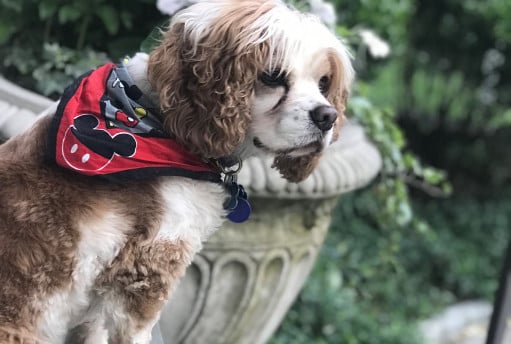 Smore: US to Singapore
Blood Tests and Other Treatments
Making sure testing and treatments are done on time
If you plan to relocate your pet to Singapore, you should know about the Rabies Antibody Ter Test requirement.
This test is mandatory for all pets and must be performed at least 30 days after the rabies vaccination. It ensures that the vaccine has provided adequate protection against rabies for your pet. The results must be reviewed by an approved laboratory.
Additionally, dogs and cats must undergo other treatments before departure.
Here are some key points to keep in mind:
- Dogs must be treated for heartworm and ticks/fleas at least 21 days before departure.
- Cats must be treated for ticks/fleas at least 24 hours before departure.
- Both dogs and cats must be treated for internal parasites within 30 days of departure.
Our relocation coordinators are well-versed in these requirements and can help you navigate the process to ensure a safe and compliant journey for your furry friend.
Make sure strict timelines are met
First Rabies Vaccination and Certificate
All pets must have an original Rabies Certificate, which must state the microchip number, the date of inoculation, and the validity of the particular vaccination. This vaccine must be an inactivated vaccine. For import into Singapore, the first rabies vaccine must be older than four months for 10 days of quarantine or older than 3 months for 30 days.
Other Vaccinations:
Dogs and cats must also receive additional vaccinations before importation, including Distemper, Hepatitis, Parvovirus (dogs), Cat Flu (Feline calicivirus, Feline viral rhinotracheitis), and Cat Enteritis (Feline Panleukopenia). These vaccinations must be administered at least two weeks before importation, and the details should be listed on a separate certificate.
Dogs:
- Distemper
- Hepatitis
- Parvovirus
Cats:
- Cat Flu (Feline calcivirus, Feline viral rhinotracheitis)
- Cat Enteritis (Feline Panieukopaenia)
Rabies Serology (FAVN) Test
- Your vet must perform a rabies blood test on your pet at least 30 days after the first rabies vaccination but within six months before export. The results need to show your pet has a rabies titer test of =/> .5 IU/mL.
Second Rabies Vaccination and Certificate
- All pets must have an original Rabies Certificate.
- This certificate must state the microchip number, the date of inoculation, and the validity of the vaccination you obtain—some are good for up to three years, while others are good for one.
- This vaccine must be an inactivated vaccine.
- For import into Singapore, the second rabies vaccine must be older than 30 days if you want to qualify for the 10-day quarantine period. The second rabies vaccine must be given after the titer blood draw. It can be performed on the same day as long as they are done in the correct order.
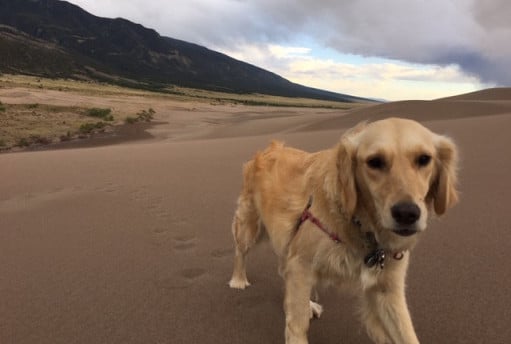 Penny: US to Singapore
Import Documentation
Time frame: up to six months before departure
After your pet's rabies titer test results are in, we will take care of the next steps to ensure successful transportation to Singapore. This includes:
- Applying for your pet's import permit
- Reserving quarantine space
- Preparing final health certificate examples for your veterinarian to reference
Our team is committed to staying up-to-date with the latest regulations and requirements to ensure your pet's safe and compliant relocation.
Avoid paperwork headaches by hiring experienced pet movers
- Our team will assist you with the import application process, including preparing and submitting all necessary paperwork for approval. We'll also apply for quarantine space on your behalf, up to six months before the travel date.
Final veterinary appointment within 2-7 days before departure:
- Before departure, your pet must undergo a final veterinary appointment within 2-7 days of travel. A USDA-accredited veterinarian must complete an AVS Veterinary Certificate no more than 7 days before departure. Additionally, during this appointment, your pet must receive treatment for external and internal parasites. Our team will guide you through this process and ensure that all requirements are met for a smooth and successful travel experience.
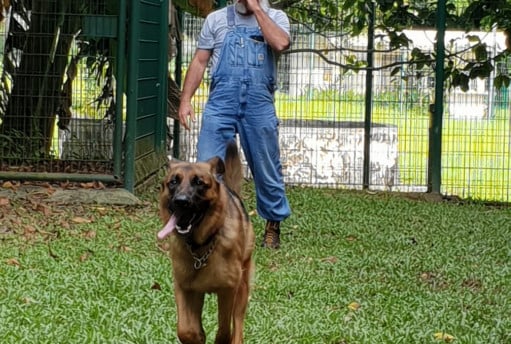 Cleetus: US to Singpoare
Quarantine
Standard Quarantine Requirements
At-Home Quarantine Eligibility
- Available For: Pets from the USA and Canada that meet specific criteria, including timely arrival with their owner.
- Requirements: Submit the full address of your residence, a video of the designated quarantine room, and confirmation that your housing accepts pets.
Sembawang Animal Quarantine Station (SAQS)
- Limited Availability: Book as early as six months in advance, especially during peak travel seasons.
- Visiting Hours: Pet owners can visit during designated times; check with your relocation coordinator for specific details.
Standard Quarantine Requirements
- 10-Day Quarantine: For pets meeting all necessary vaccination and documentation requirements.
- 30-Day Quarantine: Applies to pets from higher-risk countries with different rabies statuses.
What is the quarantine experience like?
- Quarantine sounds like a scary place, but it's not! Singapore's quarantine facilities are among the nicest in the world, and in our experience, pets handle the quarantine experience with no ill effects.
- Pets canbe transported to the Sembawang Animal Quarantine Station, where owners can visit. Ask your relocation coordinator for more details on visiting hours.