
Everything You Need to Know About Moving Cats and Dogs to New Zealand
Moving a Dog or Cat to New Zealand
Planning pet travel to New Zealand can feel like a lot at first, but if you start early and map the steps out carefully, it is manageable. New Zealand has one of the more detailed import processes for pets, so this is not a destination where you want to rush the paperwork or book flights too early.
Because the process is long and document-heavy, we wanted to pull the major steps into one place. This guide covers import requirements, quarantine, permits, veterinary paperwork, cargo travel, and the general cost picture so you can build a safe move plan for your pet.
Want to speak with an expert about bringing dogs or cats to New Zealand? Contact us, and one of our dedicated New Zealand team specialists will help you plan safe pet travel.
Import Requirements for New Zealand
Vaccination Requirements
Booking Quarantine for Cats and Dogs
Obtaining an Import Permit
Health Certificates and USDA Endorsements
Crate Training and Traveling as Manifest Cargo
Breakdown of Costs for Moving Dogs and Cats to New Zealand
Pet Export Requirements for Leaving New Zealand
Pet Import Requirements for New Zealand
New Zealand groups origin countries into import categories, and the steps depend on where your pet is coming from. In broad terms, pets coming from Australia are handled differently from pets coming from other approved countries and territories.
In most cases, cats and dogs must come from an approved country or territory and meet the veterinary and document requirements tied to that category. If the country of origin is not approved for direct import, a pet may need to live in an approved country for a required period before becoming eligible.
New Zealand generally allows only cats and dogs to be imported as pets, with a few special cases handled separately. For the official step-by-step process, MPI’s guide is still the best place to confirm the current rules.
No matter where you’re moving from, it is smart to plan the routing early. Cats and dogs entering New Zealand arrive through approved ports, and quarantine arrangements, airline options, and cargo handling all need to line up with that plan.

Pepper and Kili moved to New Zealand with PetRelocation.
Vaccination Requirements
When traveling to New Zealand, the veterinary steps need to be completed in the right order. Most pets will need a microchip, a valid rabies vaccine, a rabies titer test, and parasite treatments. Dogs may also need extra tests, declarations, or vaccinations depending on the current import standard and country category.
This is one of the areas where details matter. New Zealand’s rules are structured, and a missed date or a mismatch between the certificate and the supporting records can cause delays.
Estimated costs for vaccinations: Many families have several veterinary visits tied to a move to New Zealand. The final total will depend on your veterinarian, local lab options, and how much testing your pet needs.
Booking Quarantine for Cats and Dogs
For most cats and dogs entering New Zealand, quarantine is part of the plan. MPI’s current guidance says all cats and dogs except those arriving from Australia are required to complete at least 10 days in an MPI-approved quarantine facility.
Before applying for an import permit, you should choose your preferred quarantine facility and obtain a booking confirmation letter. That confirmation is part of the permit application.
New Zealand has MPI-approved quarantine providers rather than one single government-run facility. MPI maintains a list of approved quarantine facilities, and it is worth reviewing your options early because space, location, and handling can vary.
Once you submit the booking information, the facility will usually provide a confirmation letter for your permit application. If you’re working with the PetRelocation team, your dedicated specialist will send you the necessary forms for the quarantine facility of your choice and guide you through this process.
Estimated cost for quarantine: Quarantine pricing varies by facility and pet size. Use public pricing only as a rough planning guide and confirm current charges directly with the facility.
Quarantine Accommodations - Feeding, Medication, and More
Because the quarantine facilities are privately operated, the details can vary. Many facilities can handle special diets, routine medication, and comfort items like bedding or approved toys, but the exact rules should be checked with the facility you choose.
We recommend contacting the facility directly to understand feeding arrangements, medication handling, visiting policies, and release timing. MPI notes that pets must stay at least 10 days, and the final release inspection happens during normal business hours, so pickup may not happen the minute the 10-day period ends.
Obtaining an Import Permit
Most cats and dogs entering New Zealand need an import permit. In general, the permit application is submitted to MPI with the quarantine booking confirmation and the supporting veterinary paperwork required for the pet’s category.
For many U.S. moves, that early document pack includes proof of microchip identification, rabies records, rabies titer results when required, and the initial official veterinary paperwork.
MPI’s current step-by-step guidance says you should apply for the permit at least 30 working days before the date you require it. That is earlier than many people expect, so it is smart to build in extra time.
Import permits are tied closely to the expected travel timing. If your dates change in a major way, you may need to update or rework the permit process.
Estimated cost for import permits: Permit fees can change, so check the current MPI application process for the latest amount and timing.
Health Certificates and USDA Endorsements
For export from the United States, your pet will need New Zealand-specific veterinary paperwork completed by a USDA-accredited veterinarian and endorsed by USDA APHIS. USDA advises pet owners to contact an accredited veterinarian as soon as travel is being planned, since they help confirm the destination country requirements and the correct certificate path.
For New Zealand, there is more than one certificate involved, and the details are specific. The accredited veterinarian handles the initial health certificate, and APHIS endorses the required documents before travel.
One important update: USDA’s current New Zealand guidance says crate seals are no longer required for cats and dogs from the mainland United States, Puerto Rico, the U.S. Virgin Islands, and the Northern Mariana Islands arriving in New Zealand from March 1, 2026. For those pets, the seal wording in Veterinary Certificate B should be struck out. If a pet is traveling under a different origin scenario, confirm the current rule before departure.
Costs for USDA endorsements: Government fees and certificate requirements can change. Use current USDA guidance and your endorsement office for the latest fee details rather than relying on older published amounts.
Crate Training and Traveling as Manifest Cargo
Pets traveling into New Zealand generally arrive as manifested cargo. That makes crate preparation a major part of the move, especially for large dogs, longer routes, or pets with more complex itineraries.
It is worth starting crate training early and practicing often. A calm pet in a properly sized crate usually travels much better than a pet meeting the crate for the first time right before departure.
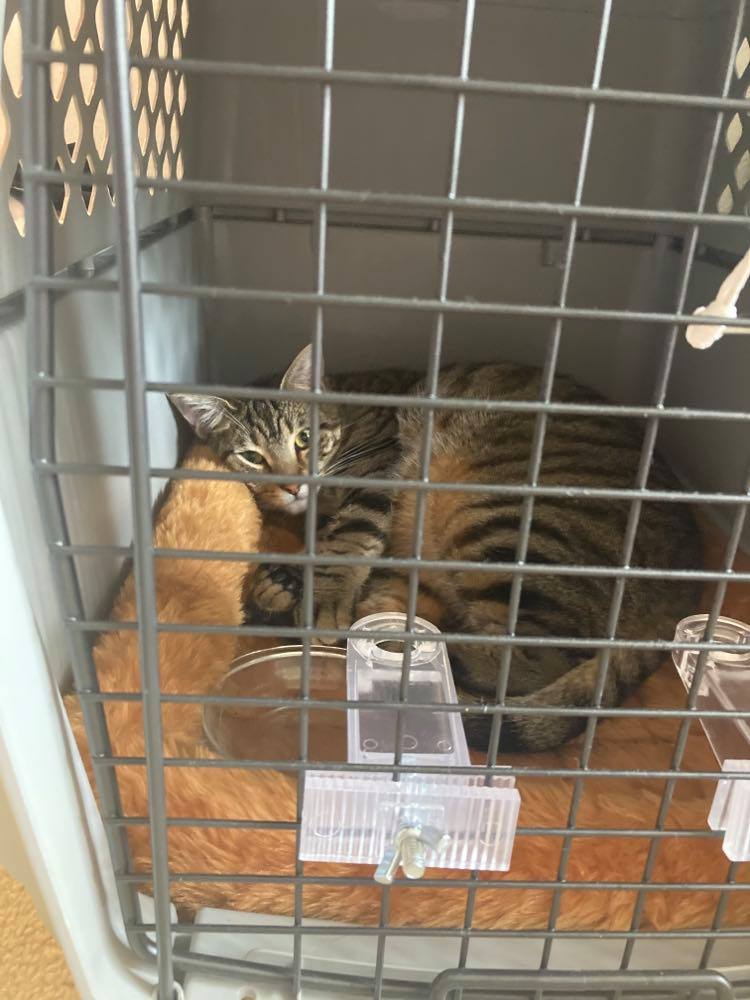
Rasmus moved to New Zealand with our help.
Estimated costs for manifest cargo airfreight: Airfreight is usually one of the biggest variables in a New Zealand move. Final pricing depends on crate size, route, airline availability, and the amount of space your pet takes up on the aircraft.
Breakdown of Costs for Moving Dogs and Cats to New Zealand
While this is not a complete list of every possible cost, it gives you a practical sense of what to budget for when planning a move to New Zealand.
| Service | Notes | Cost Guidance |
|---|---|---|
| Veterinarian Services | Includes vaccines, blood work, parasite treatment, and final health certificates. | Varies by clinic and required testing |
| Import Permit | Cost can change and should be confirmed at the time of application. | Check current MPI fee |
| Mandatory Quarantine | Costs depend on facility choice, pet size, and any extra care needed. | Check current facility pricing |
| Government Endorsements | USDA fees depend on the certificate path and current endorsement schedule. | Check current USDA fee guidance |
| Airfreight | Dependent on crate size, route, and carrier availability. | Usually one of the largest cost items |
Pet Export Requirements for Leaving New Zealand
Leaving New Zealand with a cat or dog is usually more straightforward than importing one, but the steps still depend on the destination country. You will need to meet the import requirements of the country you are moving to, and that may involve export paperwork from New Zealand as well.
Some moves will require an export certificate, an official veterinarian appointment, or other government paperwork depending on where your pet is headed next. Because that part can vary quite a bit by destination, it is best to confirm the export side once your onward plan is clear.
If you later return to New Zealand with your cat or dog, the pet will need to qualify again under the applicable import rules. There is not usually a shortcut just because the pet lived in New Zealand before.
We know this can be overwhelming, and we are ready to help plan your pet’s move to New Zealand.
Contact us to connect with one of our dedicated New Zealand team members to check if your pet’s move plan is heading in the right direction.
Bringing pets to New Zealand?
Here’s what to know about moving pets to New Zealand.