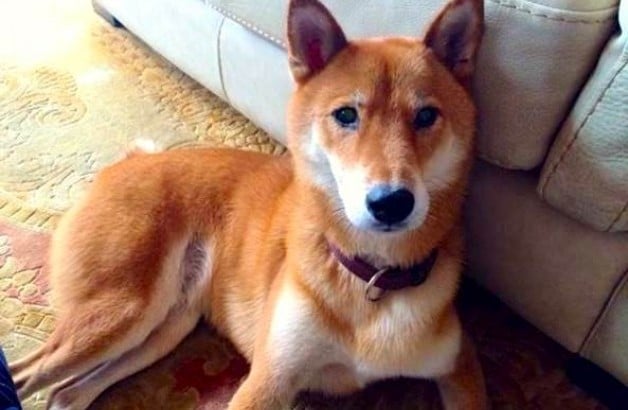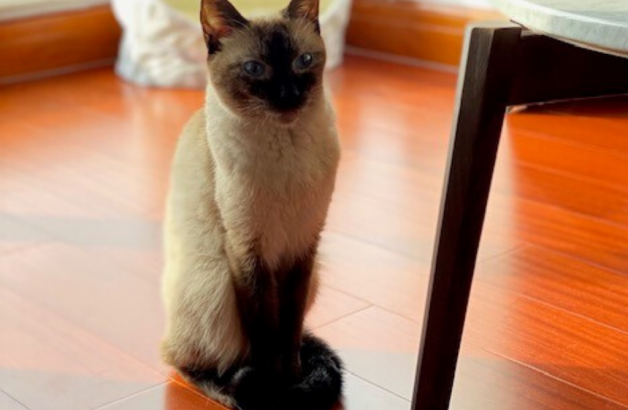

Our clients are often surprised to learn that bringing a pet to China requires significant time and preparation. Our team of experts can provide an explanation of what this looks like, in addition to coordinating your pet's entire move, so you don't have to navigate it alone!
Need Our Support?
In This Guide
TLDR: Dogs and cats entering China from the US mainland need an ISO-compliant microchip, two lifetime rabies vaccinations, and a passing rabies titer test (≥0.5 IU/mL) from one of five USDA/GACC-approved labs to avoid the 30-day quarantine. The USDA health certificate must be issued within 14 days of arrival in China, and only one pet is allowed per traveler. Pets from Hawaii and Guam are exempt from the titer requirement.
Bringing a pet to China requires significant lead time and exact documentation. PetRelocation has coordinated thousands of these moves and knows where the process typically breaks down: a missed lab, a mismatched date, or a certificate issued outside the window. Here's exactly what your dog or cat needs.
Microchip
An ISO 11784/11785-compliant 15-digit microchip is required for entry into China. If your pet's microchip is not ISO-compliant, you'll need to travel with a compatible scanner.
Rabies Vaccination and Certificate
Your pet needs two rabies vaccinations in its lifetime, and the most recent one must still be valid at the time of arrival in China. The second vaccine must be given at least 30 days after the first. China does not recognise multi-year vaccines, so the current vaccine has to be within its one-year validity on the arrival date. Accepted vaccine types are inactivated, recombinant, or modified live. Both vaccinations must appear on the original rabies certificate with full vaccine information, including manufacturer and batch number.
Rabies Titer Test
After the second rabies vaccination, your pet needs a rabies antibody titer test showing a result of at least 0.5 IU/mL. The blood draw can happen on the same day as the second vaccination or any day after, but not before. The test must be run at one of five USDA/GACC-approved laboratories:
- DoD Food Analysis & Diagnostic Laboratory, Fort Sam Houston, TX
- Kansas State University Rabies Laboratory
- Auburn University College of Veterinary Medicine
- CDC, Atlanta, GA
- University of Missouri Veterinary Medicine Diagnostic Laboratory
Results from any other lab will not be endorsed by USDA. The titer is valid for up to one year from the sampling date and must cover your pet's arrival date in China.
Pets traveling from Hawaii or Guam are exempt from the titer test requirement.
For the complete list of approved labs and how to schedule the blood draw correctly, see China Pet Titer Test: The 5 USDA-Approved Labs.
Health Certificate
Your USDA-accredited veterinarian issues the official health certificate, which must be dated within 14 days of your pet's arrival in China and electronically endorsed by USDA-APHIS through the VEHCS system. Only one pet is allowed per traveler, and the traveler's name on the certificate must match their passport exactly. The original rabies vaccine certificate and titer lab report travel with the pet and may be collected by Chinese customs on arrival.
The health certificate itself is digitally endorsed, but the vaccination certificate and titer report must be original ink documents. See China Pet Import: Digital vs Ink Documents for the full breakdown.
Quarantine
If your pet meets all the requirements above, no quarantine is required at any port of entry. If your pet doesn't meet every condition, it must enter through one of China's designated ports and complete a 30-day quarantine at the owner's expense.
Dog Registration
Dogs must be registered with the local police at the owner's place of residence within one month of arrival in China.
One Pet Per Traveler
China allows only one pet per traveler. If you're moving more than one pet, each additional pet's documentation must be filed under a different traveling family member or companion. See One Pet Per Person: China's Pet Import Rule for how to plan a multi-pet move.
Moving a dog or cat to China involves a strict, document-heavy process with little room for error. Start your move with PetRelocation and a relocation manager will coordinate every step, from vaccine timing to the titer lab to the final health certificate.